
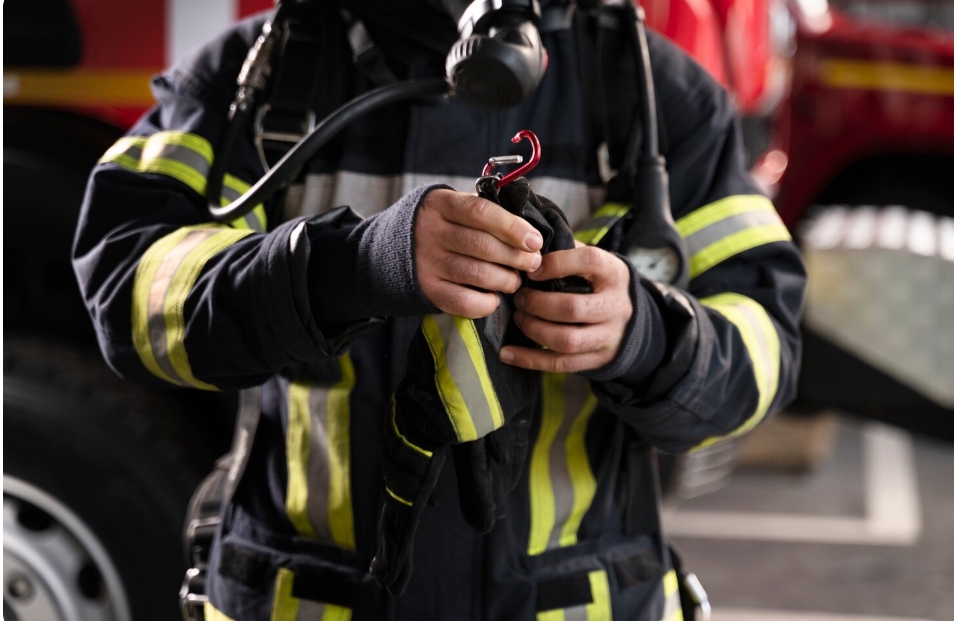
The job of a fire watch patrol officer goes much deeper than simply walking around a property and looking for flames. It entails recognizing potential changes that could turn into dangerous fire hazards, communicating these findings, and acting in accordance with the emergency procedure of the site.
The importance of fire watch services is heightened if there is a temporary reduction in fire protection or if some activities performed by the workers increase fire risks, such as welding or other types of heat-producing activities.
Professional fire watch services employ experienced personnel who are tasked to recognize fire hazards and to monitor the assigned area.
1. Understand the Assignment Before Starting
Each patrol should be initiated with an understanding of the assignment. The officer must be aware about reasons for fire watch, locations to be covered, known risks, and emergencies reporting procedures.
Correct briefing should also cover information about communication procedures, emergency contacts, extinguishers, restricted areas, and activities creating additional risks.
2. Inspect the Area Before Active Patrols
Prior to routine patrols, the officer should make an initial evaluation of the area condition.
It means identification of any existing combustible materials, unusual odors, smoke, ignition sources, blockages, unsafe working conditions or any other changes that can influence fire safety. Initial assessment will allow you to notice any changes in the area condition during fire patrol.
3. Identify Ignition Sources and Fire Hazards
A fire watch officer must look beyond obvious flames. Welding sparks, grinding, temporary electrical equipment, heaters, fuel sources, and accumulated debris can all create changing conditions.
For example, if combustible waste begins collecting near hot work, the officer should recognize the problem and report or address it according to the site’s procedures.
For applicable shipyard hot-work operations, OSHA requires fire watches to detect fires in areas exposed to the work and gives them authority to stop work when necessary to restore safe conditions.
4. Patrol the Assigned Area Continuously
A fire watch is most useful when monitoring is active rather than occasional.
The officer should move through the assigned area as required by the fire-watch plan, checking spaces where fire could start or spread. NFPA material describes fire watch during certain impairments as trained personnel who continuously patrol the affected area. It also notes that patrols should look beyond fire itself and check other fire-protection features.
5. Monitor Fire-Protection Features and Exit Routes
Patrolling should not be limited to walls, equipment, and working spaces. An officer should remain aware of the conditions that might affect fire protection facilities and exit routes.
That may involve the identification of blocked exits, unavailable extinguishers, inaccessible alarm systems, or some other factors that can delay the response to an emergency.
6. Maintain Clear Communication
A fire watch officer should be capable of conveying important changes promptly.
That may involve radio contact with a supervisor, communication with workers performing hazardous tasks, or notification through the site’s emergency process. OSHA’s shipyard standard specifically requires fire watches to communicate with workers exposed to hot work.
Facts should be reported clearly by the officer: what has been found, where, and what has been done.
7. Respond Quickly to Fire or Unsafe Conditions
When smoke, sparks, flames, or another serious condition is discovered, the officer should follow the established emergency response sequence rather than improvise.
A simple approach is:
- Recognize the hazard.
- Alert the appropriate people.
- Report the location and condition.
- Use available equipment only within training and established procedures.
- Escalate when the situation exceeds the officer’s capabilities.
For applicable shipyard hot-work fire watches, OSHA requires trained personnel to attempt to control incipient-stage fires only when the fire is within their capability and training, and to activate the alarm when they cannot extinguish it.
8. Record Patrols, Hazards, and Incidents
Efficient fire watch requires proper documentation of findings, rather than oral reports.
The patrol log can note the time of check, the areas checked, the identified hazards, notifications made, corrective action taken, and incidents witnessed. Documentation will provide a better description of what was done during the fire watch and enable the replacement to learn more about existing issues.
9. Continue Monitoring After Hazardous Work
The end of welding or other dangerous activity doesn’t always mean that the danger is over instantly. The residual heat, sparks, or smoldering materials could cause problems even after all the visible work is completed.
For instance, the requirement of the OSHA regulation regarding fire watch in shipyards requires a fire watch officer to stay at the scene for 30 minutes or longer, depending on the results of the appropriate survey to determine if there are still any fire hazards left.
That is specific to shipyards and does not apply universally to any property.
10. Complete a Proper Handover
A fire watch assignment should not develop a monitoring gap when one officer leaves and another takes over.
The outgoing officer should explain the current conditions, active work, unresolved hazards, recent incidents, notifications, and areas requiring additional attention. In professional fire watch services, this kind of handover helps maintain continuity instead of forcing the incoming officer to start without knowing what has already occurred.
Fire Watch Patrol vs. Standard Security Patrol
| Fire watch patrol | Standard security patrol |
|---|---|
| Focuses on fire hazards and fire-protection conditions | Primarily focuses on security conditions |
| Monitors ignition sources and signs of fire | Looks for unauthorized activity or property-security issues |
| Reports fire-related hazards and emergencies | Reports security incidents and access concerns |
| May support temporary fire-risk controls | Usually operates under a security-focused assignment |
The key difference is the purpose of the patrol. A fire watch officer is assigned to actively monitor fire risk, communicate changes, and respond according to the applicable emergency plan and level of training.
A well-run patrol therefore follows a simple cycle: observe, identify, communicate, respond, document, and hand over. The officer’s value comes from doing each step consistently, especially when normal fire protection or routine operations have been temporarily disrupted.